
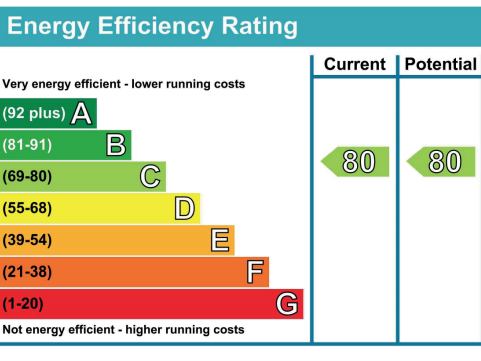
There’s some welcome news for landlords of residential properties this week, following an announcement from the UK Government regarding Energy Performance Certificates (EPCs).
The proposed deadline for rental properties to achieve a minimum EPC rating of C has now been pushed back from 2027 to 1st October 2030. This extension gives landlords valuable extra time to plan improvements, manage costs, and make sensible long-term decisions for their properties.
Why this extension matters
Many landlords — particularly those with older Victorian and period homes — have faced real challenges when it comes to improving EPC ratings. A large number of these properties were built without cavity walls, meaning traditional wall insulation simply isn’t an option. For some homes, reaching a C rating can be technically difficult and financially demanding.
Energy assessors often recommend solar panels as a way to significantly boost efficiency scores. While effective, these can come with hefty upfront costs, often £15,000 or more, which is simply not realistic for every landlord.
The extended deadline allows time to:
Spread improvement costs over several years
Take advantage of future grants or incentives
Plan upgrades sensibly rather than rushing into expensive works
Practical ways landlords can improve EPC ratings
While every property is different, there are several cost-effective improvements that can help move a property closer to a C rating without immediately resorting to major structural work:
LED lighting throughout – low cost, quick wins for EPC points
Loft insulation – one of the most effective and affordable upgrades
Modern combination boiler – replacing older systems improves efficiency significantly
Smart heating controls & thermostats – better control equals better ratings
Double or secondary glazing – particularly helpful for older homes
Draught-proofing – sealing doors, floors and windows can make a measurable difference
Hot water cylinder insulation (where applicable)
Upgraded radiators or thermostatic radiator valves (TRVs)
These improvements, when combined, can often deliver meaningful EPC improvements without excessive spend.
A fast-changing landscape for landlords
Landlords have seen huge regulatory changes in recent years, and this EPC extension offers some much-needed breathing space — especially with the impending Renters’ Rights Act adding further responsibilities.
Gone are the days when all you needed to rent out a property was a gas safety certificate. Today’s landlords are navigating EPC rules, electrical safety, licensing, deposit legislation, and more — all while dealing with a volatile political climate.
With a proposed general election in 2029, many landlords are understandably asking:
Could these EPC rules change again if the government does?
While no one can predict future policy with certainty, this extension is a clear acknowledgment that the original timeline was unrealistic for many property owners.
We’re here to support you
At Findahome Online, we’re always here for our landlords — helping you stay compliant, informed, and confident in an ever-changing rental market. Whether it’s EPC guidance, understanding new legislation, or planning improvements sensibly, we’ll continue to guide you through the fast-paced and evolving landscape of property letting.
If you’d like advice tailored to your property, or help preparing for future EPC requirements, get in touch with our team today.
Looking to rent your home out? See details of our letting services here:
https://findahomeonline.co.uk/rentahome